Artist Spotlight: Nadia Elric — The Multi-Dimensional Creator Redefining the Lens
With social media constantly flooded with the same old surface-level content, it is easy to box people into a single label.
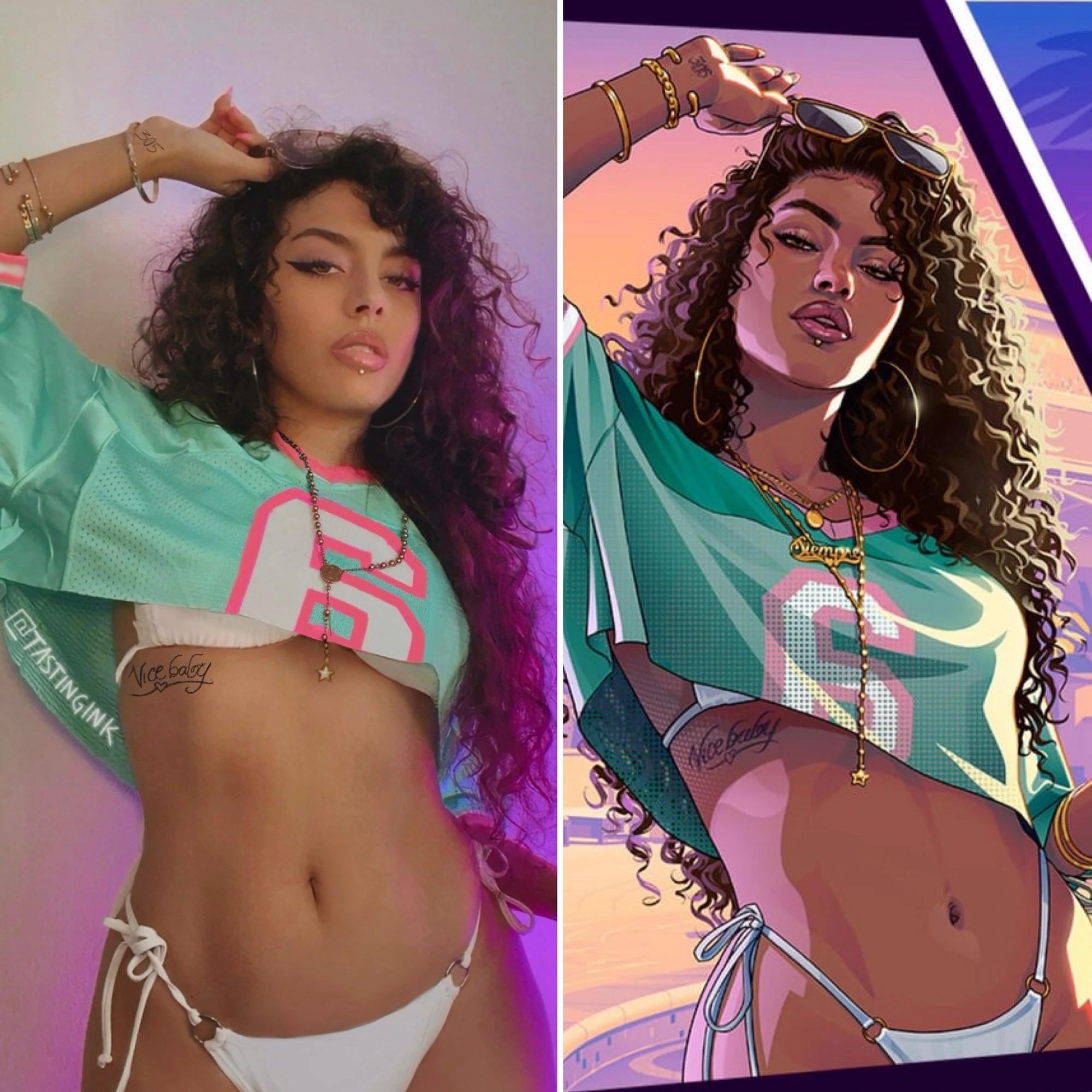
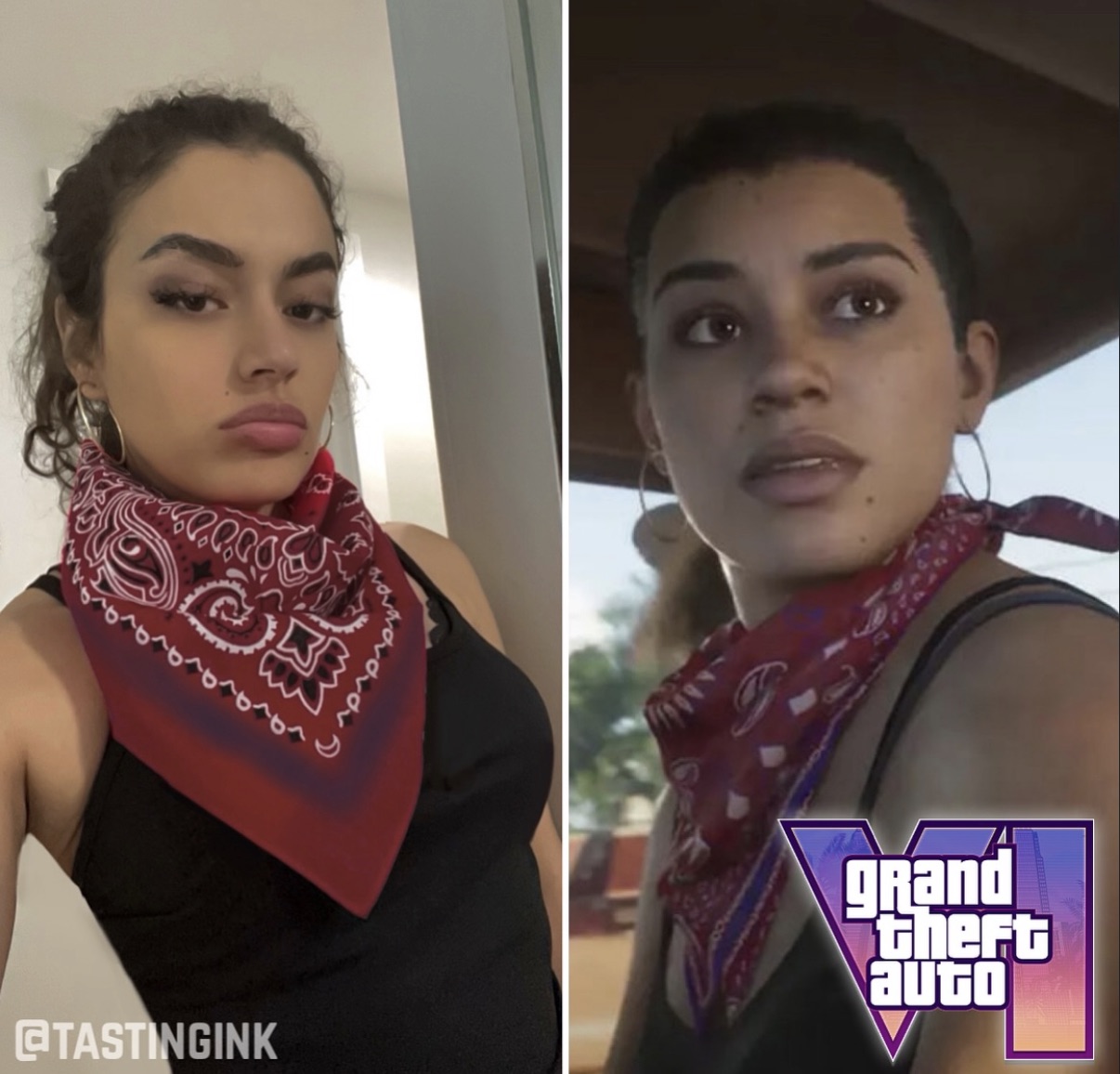
When Nadia Elric recently went viral for her uncanny lookalike resemblance to Lucia from GTA VI, the internet did what it always does: focused entirely on the aesthetic. But if you take a closer look, you quickly realise she is far from your usual model.
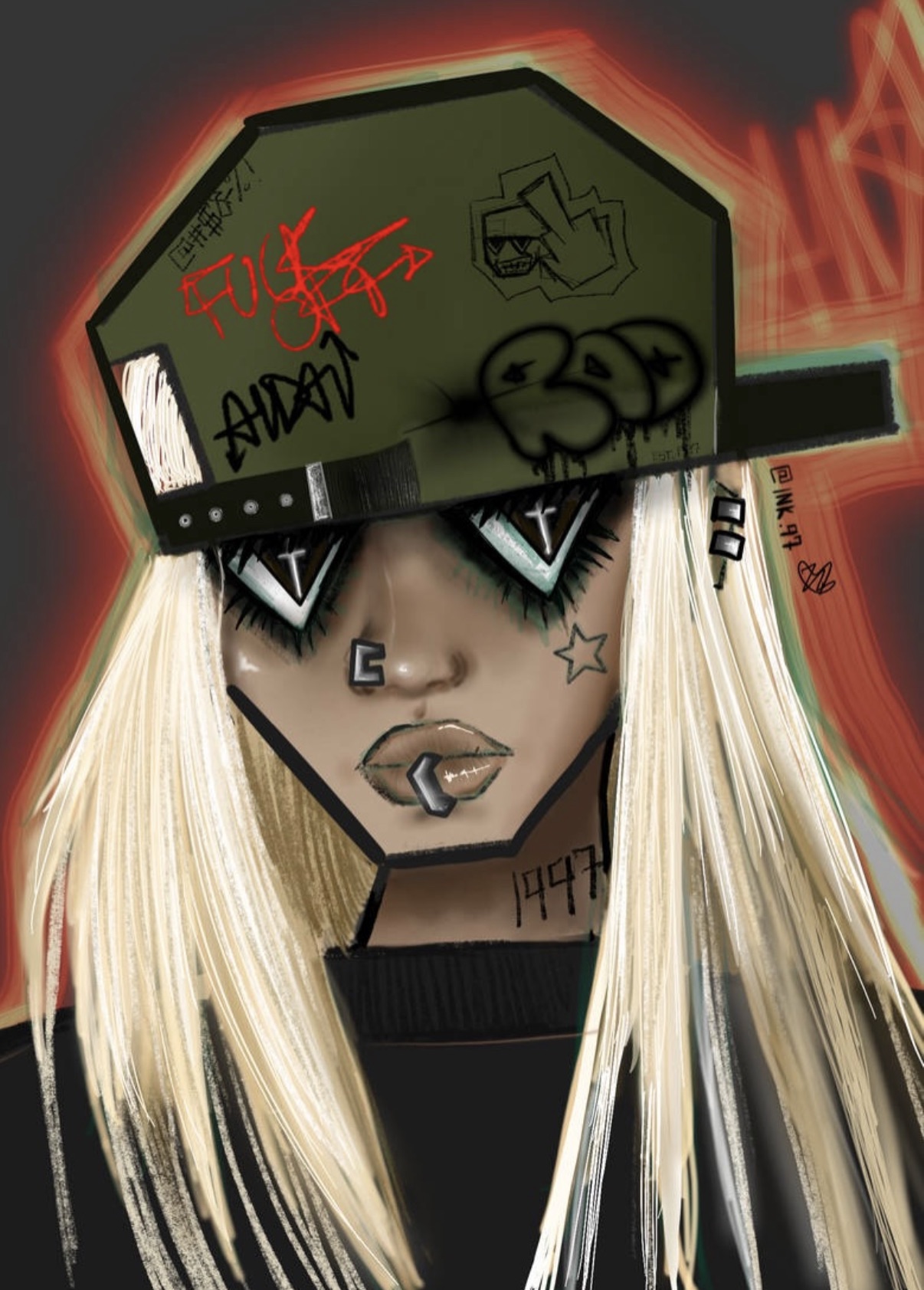
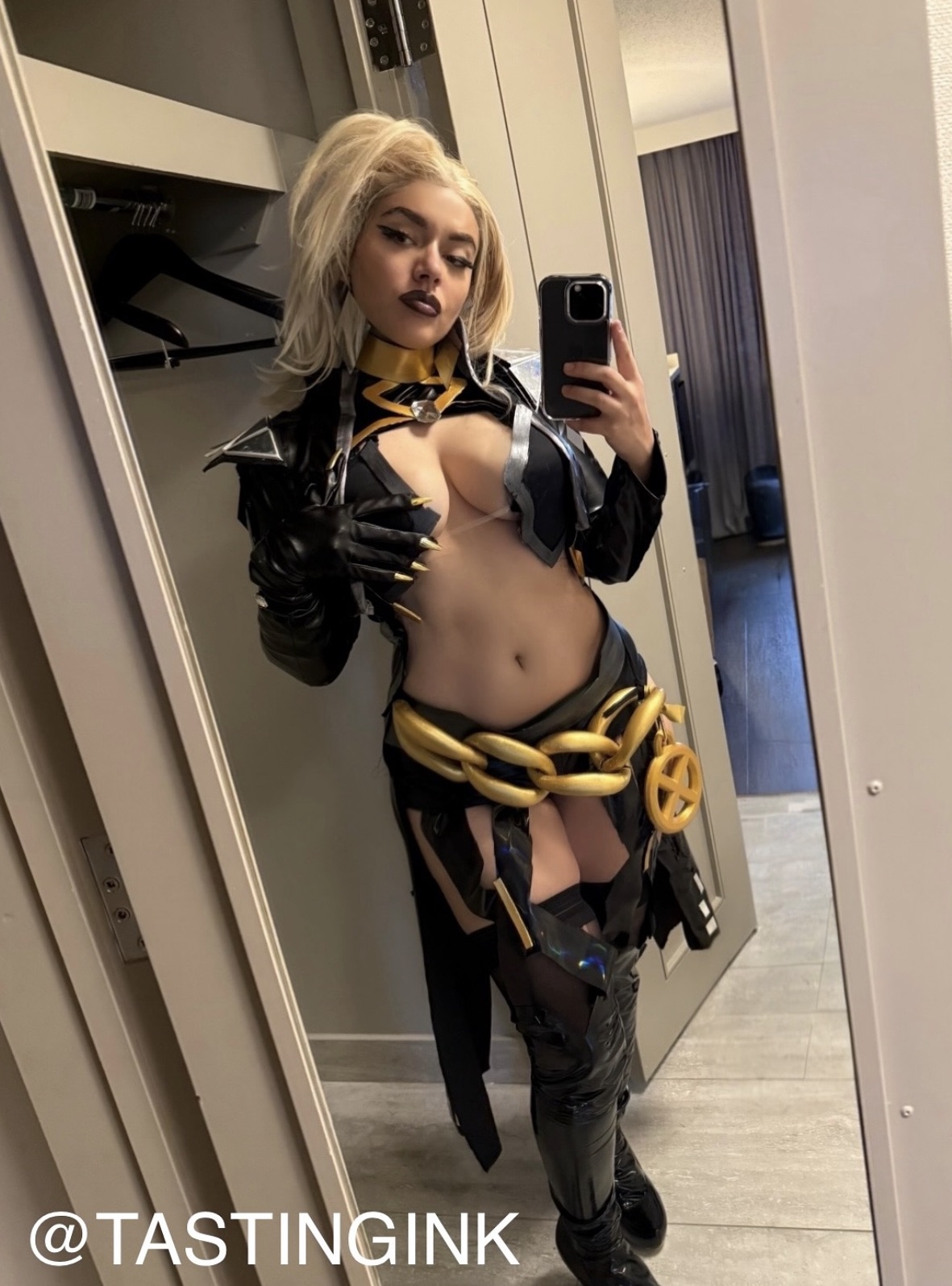
Nadia is a genuinely talented self-taught digital artist, illustrator, and hands-on maker who operates across two distinct creative worlds. Under her art handle, she creates brilliant, nostalgic 2000s and graffiti-inspired character designs, while simultaneously spending dozens of hours hand-crafting her own complex cosplay outfits from scratch. She is the architect behind the lens, not just the subject in front of it.
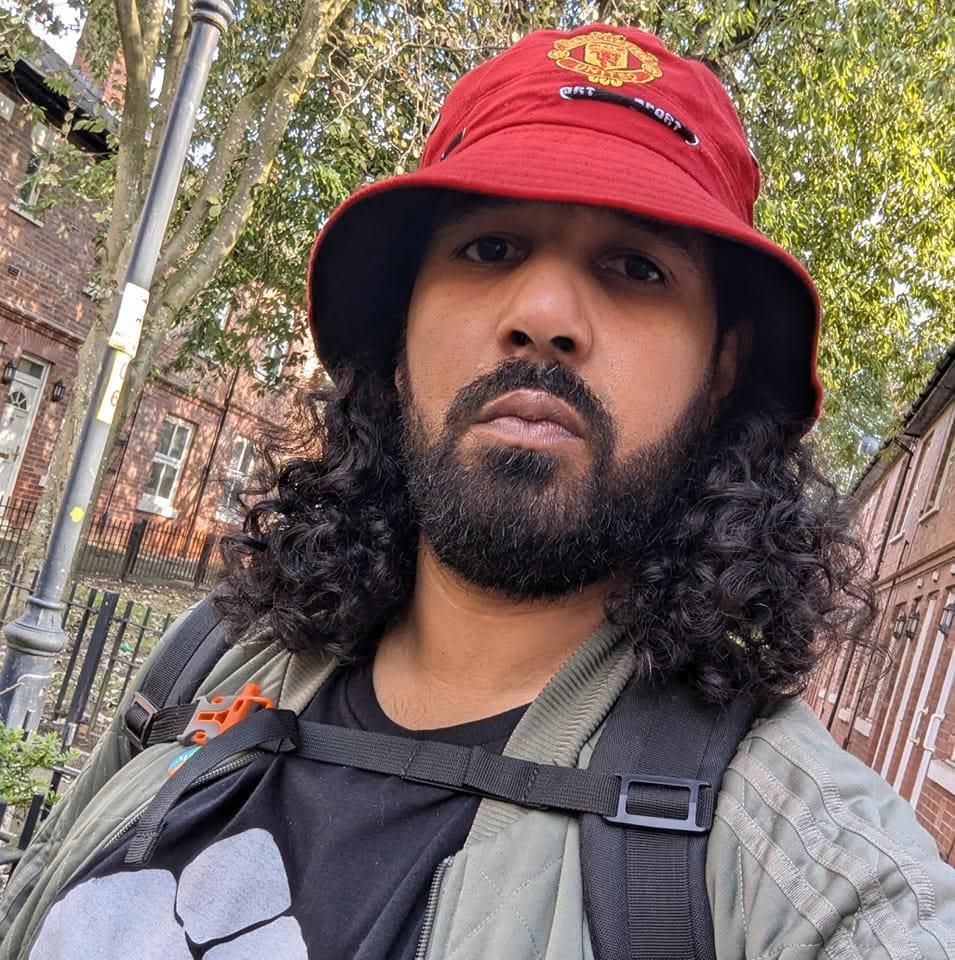
We caught up with Nadia to find out how she balances her digital studio with physical modelling, her thoughts on the massive AI art debate, and what it really takes to be a true multi-disciplinary creator today. — @mancuniarebel
The Lucia Trend and Managing Both Pages
You recently went viral because people noticed you look exactly like Lucia from GTA VI. Since that franchise is massive on street culture and stylised art, what was it like seeing yourself become the real-life face of a gaming icon?
I honestly didn't expect my GTA6 cosplays to go viral the way they did. I decided to cosplay Lucia and the cover girl because I'm a big fan of GTA (Vice City is my favorite) and because I felt like I looked similar to them, which is something I didn't really grow up experiencing in media. Most of the games I played in general growing up rarely even had playable female characters for the most part. It's been dope seeing an iconic character with a similar background as me. With that being said, virality is definitely a double-edged sword. You get people that get your content, and a whole bunch that don't get it at all, and either way they're gonna put in their 2cent$ lol.
You keep your art and your cosplay on totally separate Instagram pages. When a look goes viral, how do you make sure people are still paying attention to your work as an illustrator and not just your modelling?
When I create something, I'm doing it out of raw inspiration and not really thinking about the consumption aspect. Whoever sees it and resonates with it, resonates with it. If a cosplay goes viral, that's still an avenue of exposure to my work for whoever might see it and relate to it. There's some overlap in my artwork audience and my cosplay audience. Some people dig my art but not my cosplay and vice versa. I see them as two different sides of the same coin. What's most important to me is just expressing myself regardless of how anyone feels about it. At the end of the day, I create for myself.
Street Style and the AI Debate
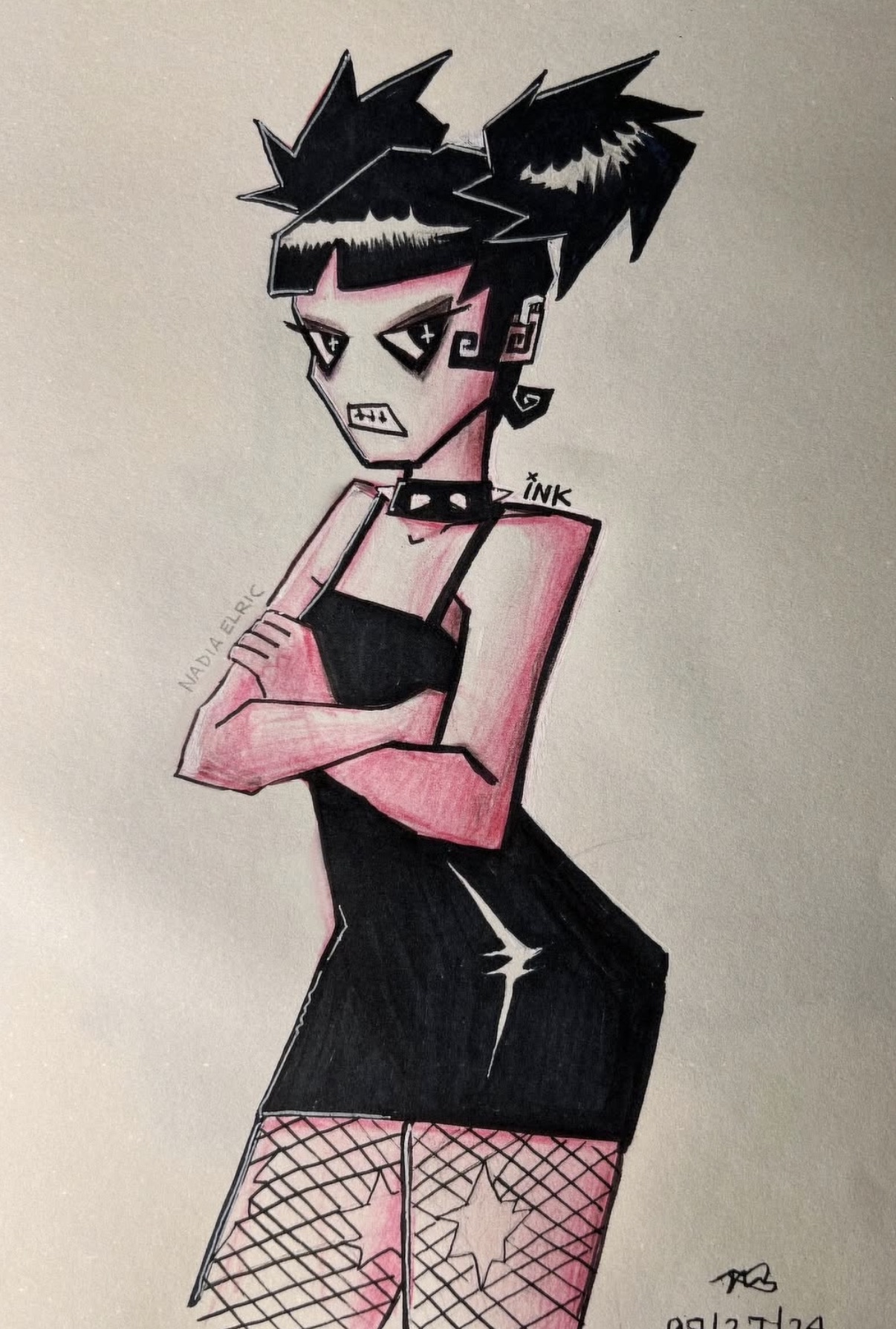
Your digital art has a brilliant 2000s, hip-hop, and graffiti vibe to it. What is it about that specific era and street culture that inspires you when you're drawing?
The 2000s had a rawness to it that the new world lacks. All my character designs and illustrations are inspired by my own nostalgia and memories growing up in that era. As a kid in FL in the early 00s I was shaped by a lot of different cultures. My mom being into hip-hop and graffiti and my dad being from NY influenced me from a young age. On top of that, I was really embedded in alternative subcultures. Some of my inspirations in general are music (90s hip-hop, punk, nu-metal), videogames, late night TV like Adult Swim, old internet (Newgrounds, Gaiaonline), street culture and fashion, skate culture etc. Some of my favorite artists if I had to name them off the top of my head are Jhonen Vasquez, David Firth, and Bruce Timm. Overall, I've been drawing since I could hold a pencil so feeling inspired to draw in general is just second nature.
There is a huge debate right now about AI art. A lot of artists feel that just typing a prompt completely bypasses the real effort and creativity of mastering a craft. As a digital artist who also hand-makes your own costumes, where do you draw the line between using technology as a tool and losing the human element of art?
Using technology to emulate a skill you don't actually possess is where I draw the line.
I think technology can make things more convenient and digital art is an example of a legitimate medium within the sphere of tech because it still requires skill and time spent. When I first started digital art in 2010, I actually was highly critical of it as being "cheating," but I've changed my stance after spending time in the medium. I still don't like the paint bucket tool tho, lol.
I don't think AI has a place in the art world in any capacity. It's the complete antithesis of what it means to be an artist. Art is a direct byproduct of the human condition; using a synthetic hive mind to make "artwork" is completely oxymoronic. Art is a window into someone's soul and their experiences having existed on this planet. Those unique individual experiences is what births unique art styles. Ever notice how AI images all have that same plastic-looking style? Its signature is quite literally not having one (because it's soulless.) People who type prompts aren't creatives. We've all been typing for a long time at this point. I've had some pretty intense google searches in my lifetime, I never thought of labeling my ability to use a computer as artistry.
It's also worth noting that not only is generative AI built on the work of artists who never consented to have their work used to train the models, but it's also majorly destructive to human health and the environment via data centers. A lot of people will misuse the word "accessible" to defend their AI use, citing that it makes art "accessible" to people. Talent isn't meant to be accessible to everyone, and that isn't a bad thing. We are all called to different purposes in life. No amount of typing a prompt will make you an artist. The journey itself of self-expression and honing a real skill over time is the entire point.
Combining Digital Art with Cosplay
When you're drawing on a tablet, you have total control over lighting and layers. But with cosplay, you have to deal with real-world fabrics and physics. Does your digital art background change how you build your costumes or pose for a photo?
Honestly, I'm a traditional artist first and will always prefer traditional over digital due to the tangibility and control. Paper-like screen protectors certainly help, and digital art is something I've learned to enjoy as a separate medium but my whole foundation was traditional first. I would say the main way I utilize my digital art skills in the cosplay space is when I'm sketching out blueprints on my iPad for how I'm planning to build something. It hasn't affected how I pose, but I will say I put the skills to use in some of my editing. I actually do a lot of my edits in my paint program (Procreate).
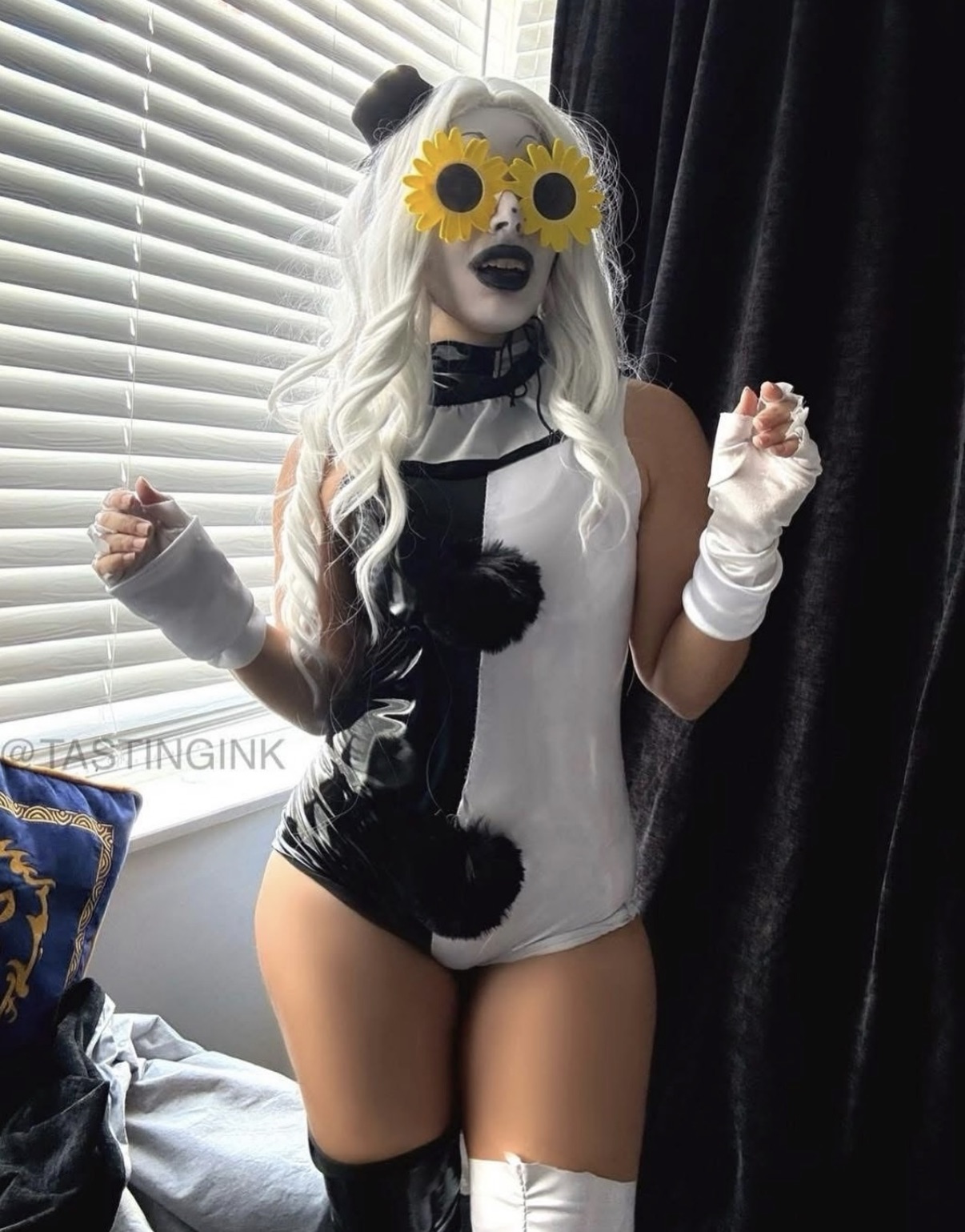
Overall, I'd describe physical crafting as art and engineering combined. Designing a blueprint for how I'm going to build a costume is one of the most satisfying parts of my process because of the challenge in figuring out how to make unreal things actually exist while obeying the laws of our reality. It's alchemy.
People see a great photo on Instagram, but they don't see the 50-plus hours of sewing and crafting that went into it. Because you build your own outfits and direct your own shoots, do you see cosplay more as performance art than standard modelling?
I love this question. I 100% see it as a form of performance art rather than just modeling. When I wear a costume, I'm using my body as a mannequin to display my work, but I'm also mentally and physically embodying whatever character I'm portraying.
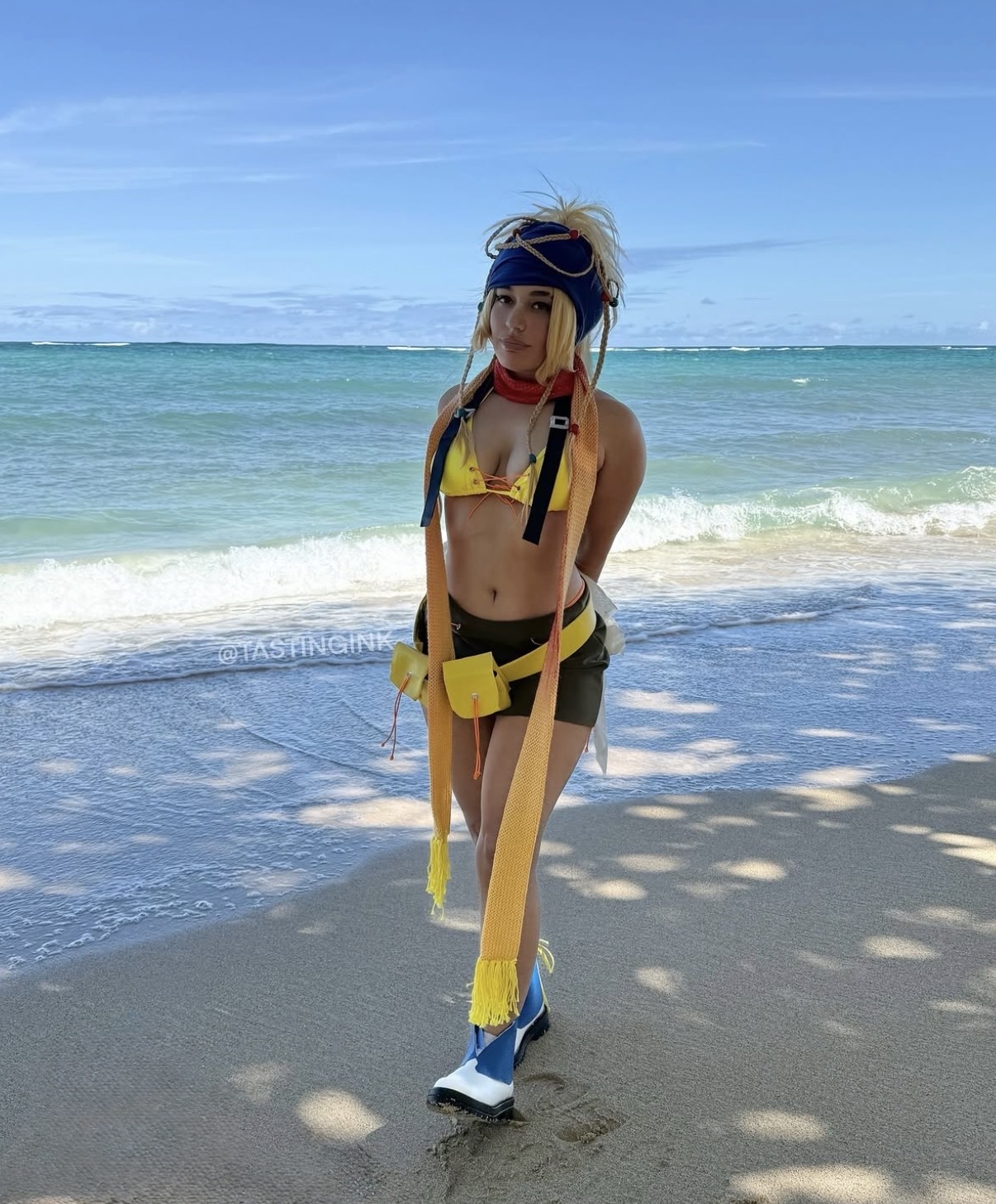
From start to finish, the process looks like this: idea → planning → designing blueprint → researching and acquiring materials → crafting → wearing it → shooting → editing → posting (or convention appearance).
People definitely just see the final product but I'm working on showcasing more of my process in video format.
Closing Thoughts
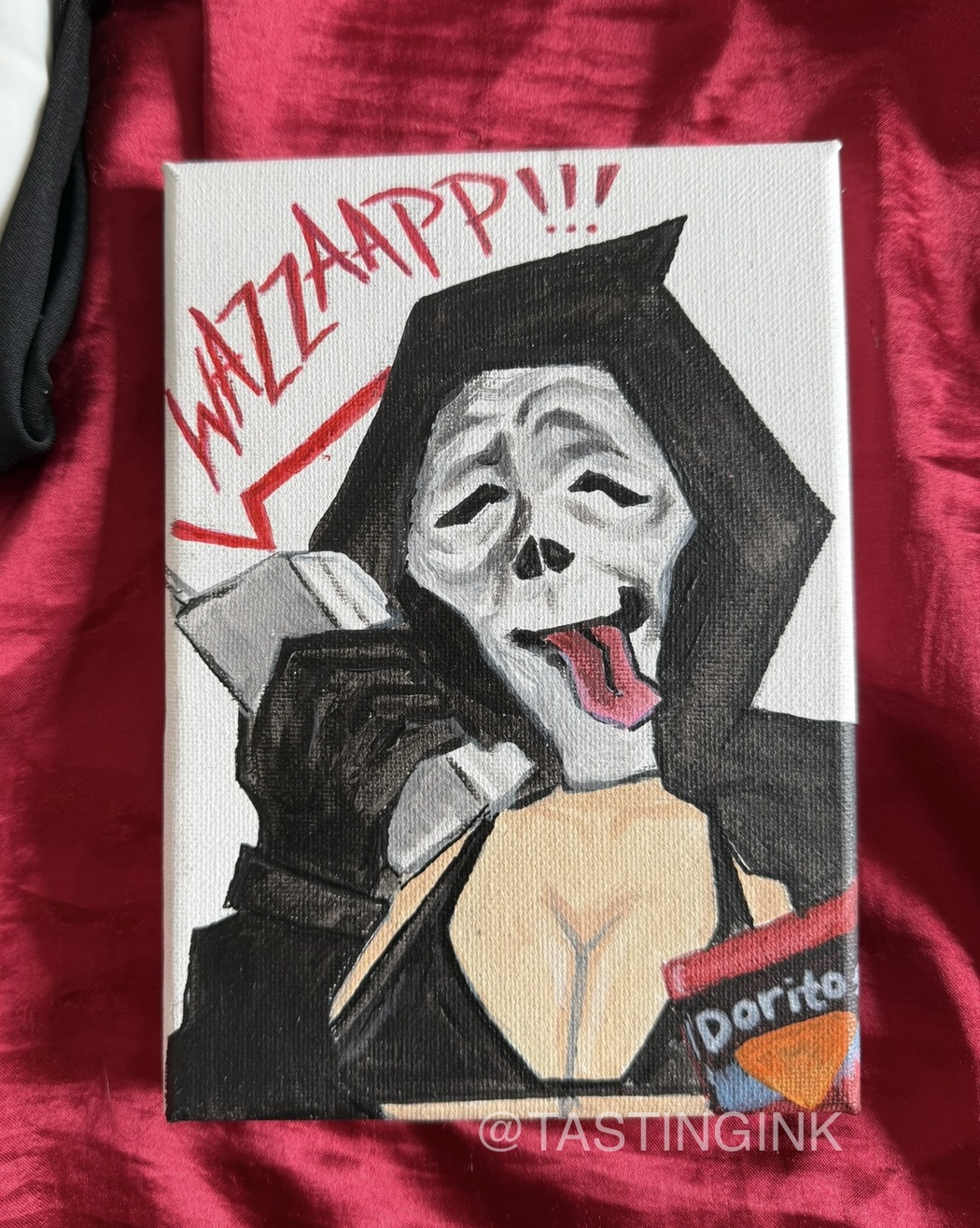
You also do traditional acrylic painting alongside your digital work. What does working on a physical canvas give you that a screen can't?
Working on a physical canvas — or any traditional medium — gives me a level of direct control and tangibility that digital doesn't. There's a certain satisfaction of "analog" versus digital that can never truly be replicated. The tangibility factor also makes the process a lot more memorable for me down the line. While I do enjoy both mediums, the bonding experience I have working on canvas or paper forms much more rooted memories than looking at a screen all day does. With traditional, I remember the time of day, the music I was listening to, the full experience making that piece. With digital I can remember but it's just not as tangibly imprinted. I would say the main downside of traditional work is the clutter of supplies and the huge mess I have to clean up afterwards. Sometimes I just don't feel like it and would rather be on my iPad.
What advice would you give to other multi-disciplinary artists who want to show off their style and modelling without being boxed into just one label?
I would say definitely make separate pages so that you can lean into whichever side you want to when it calls you without feeling attached to the other. Modeling can take the attention away from your visual art and it can be frustrating when people see you as your physical form instead of as your actual mind and creative direction, but the most important thing is expressing yourself as raw and authentic as you feel called to. You can be mindful of what your goals are and the trajectory of your posts, but paying attention to labels is worthless. Someone will always have something to say regardless. Life's short, make art.
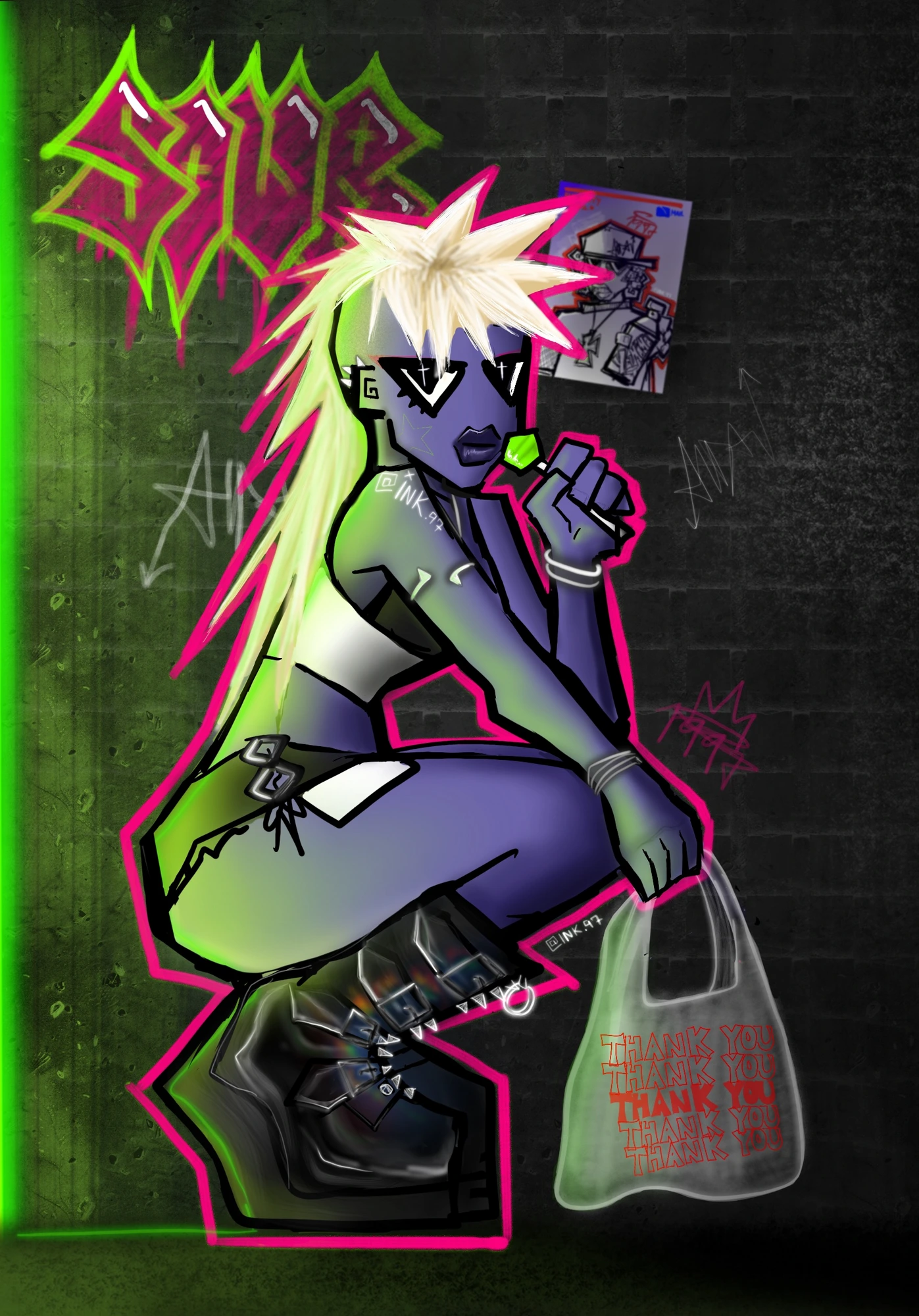
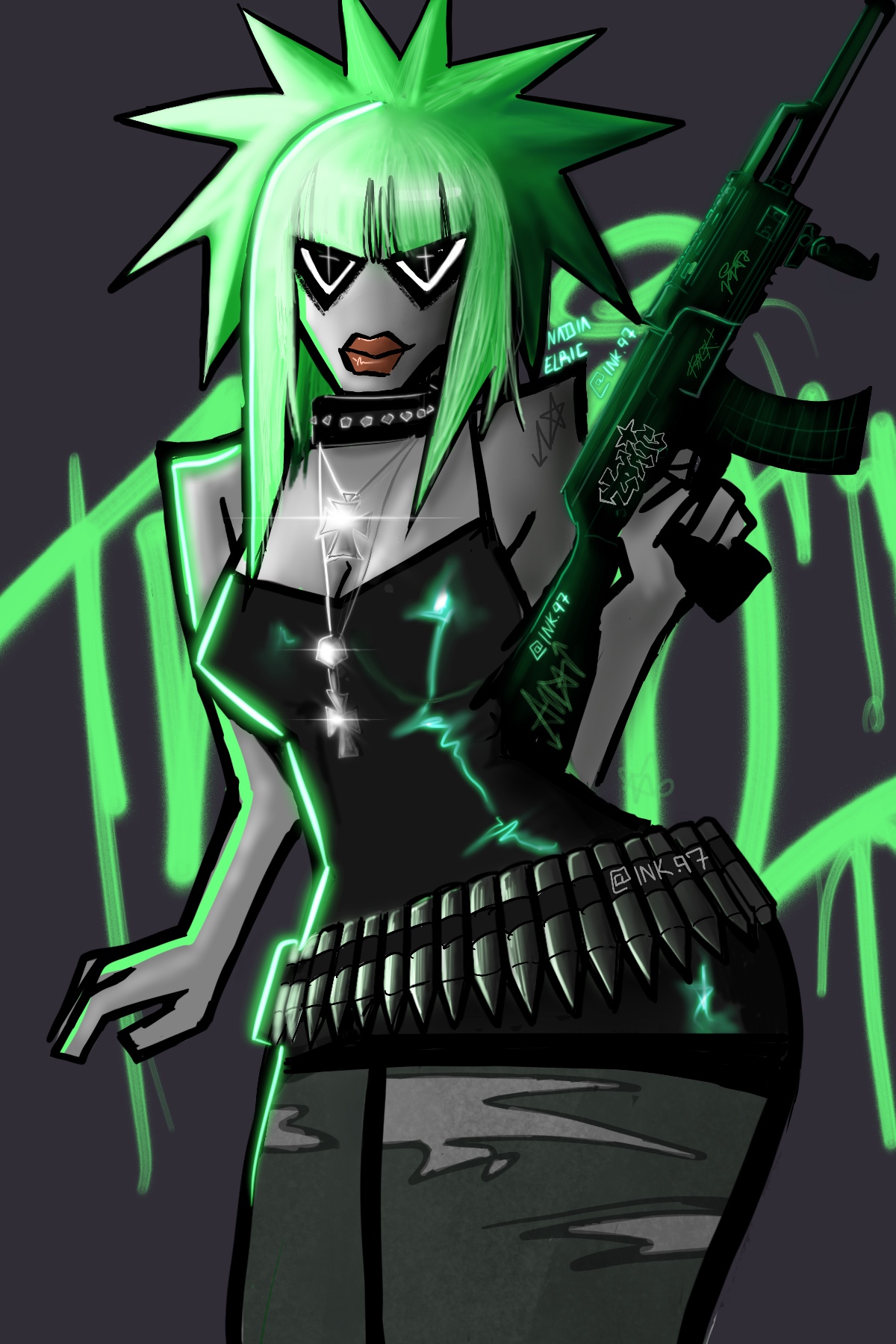
Find Nadia on Instagram:
Cosplay & Modelling: @tastingink
Art: @ink.97
Comments (0)
Sign in to join the conversation.
No comments yet. Be the first to share your thoughts.
Related Articles
More by Robert Chowdhry-John (Preachaman)
View all →
The Second City Belongs to the World. But Does It Still Belong to Mancunians?
Beyond the £900m scandal lies a global financial takeover. How international capital rebuilt Manchester — and what it costs the people who made the culture.
Oct 02, 2026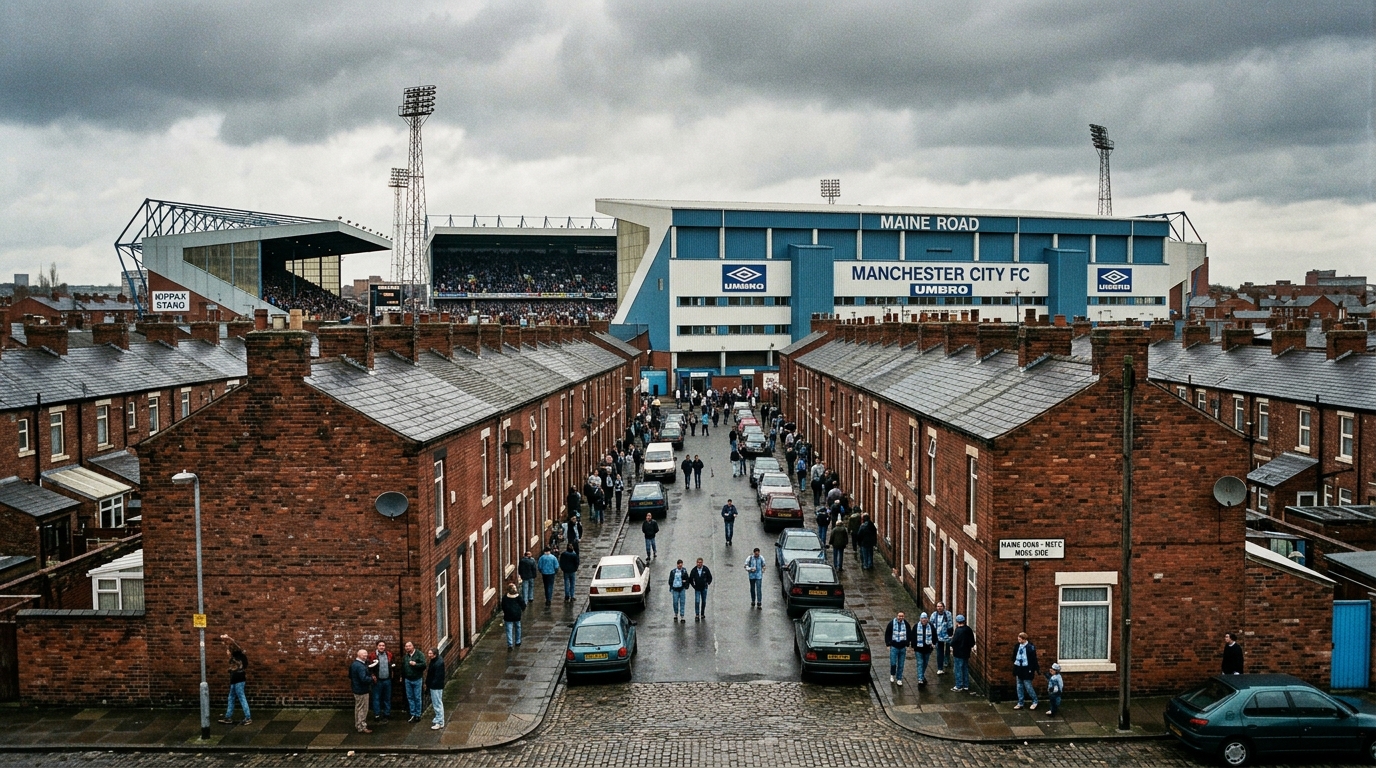
From Maine Road to the 115: A Red's View on the Soul of Manchester Football
Growing up with Maine Road as my back garden, I learned early on that Manchester football isn't just a weekend pastime — it's the city's beating creative heart. A personal reflection on the Red-vs-Blue divide, filmmaking at the Etihad, and the sting of the 115.
Oct 01, 2026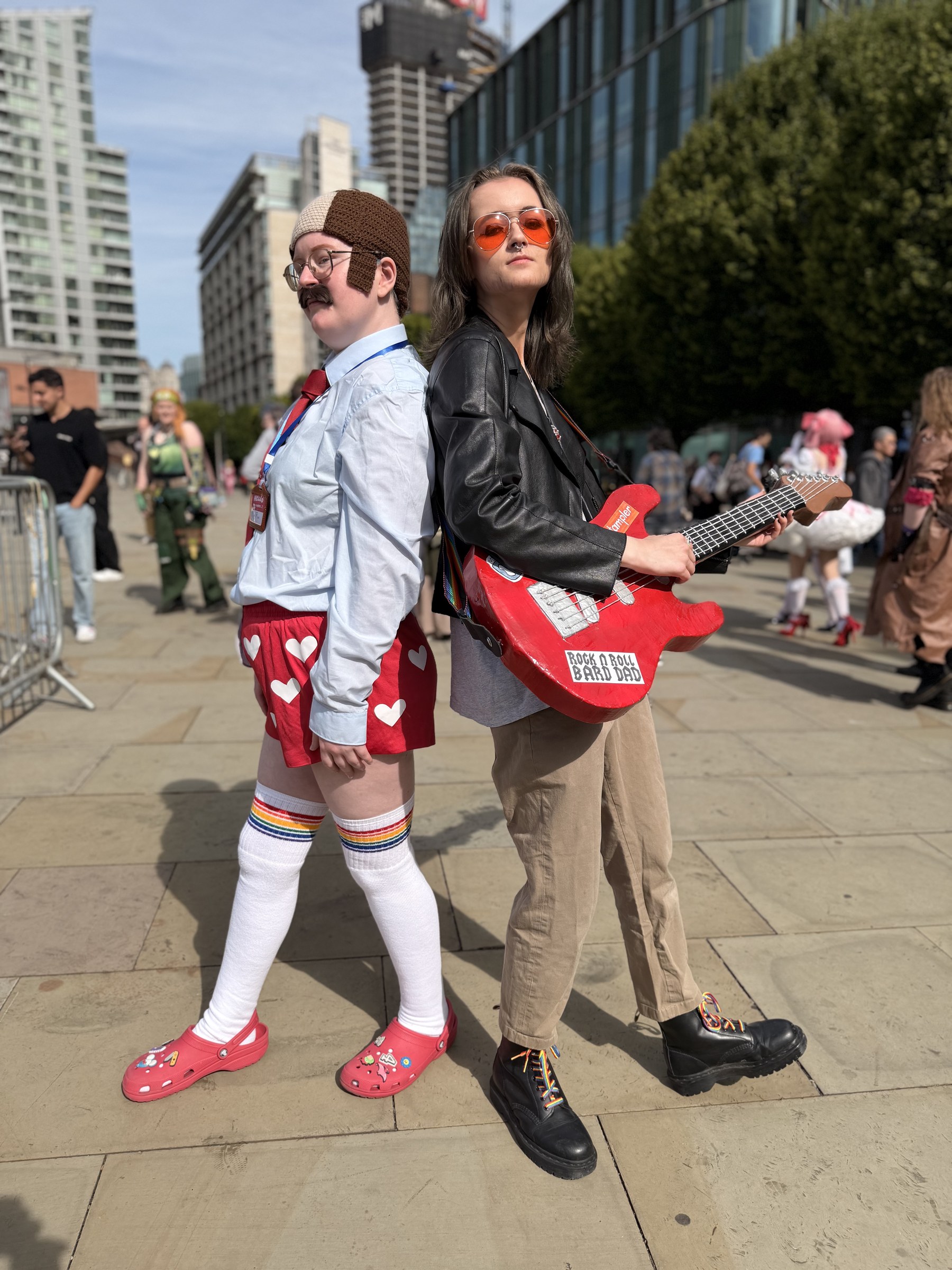
MegaCon Live Manchester 2026: Cosplay Showcase & Highlight Reel
Manchester Central was taken over by incredible costumes, iconic creators, and pure energy for MegaCon Live 2026 — we spent the weekend capturing the standout looks and cinematic poses.
Aug 04, 2026