The Second City Belongs to the World. But Does It Still Belong to Mancunians?
Beyond the £900m scandal lies a global financial takeover. How international capital rebuilt Manchester — and what it costs the people who made the culture.
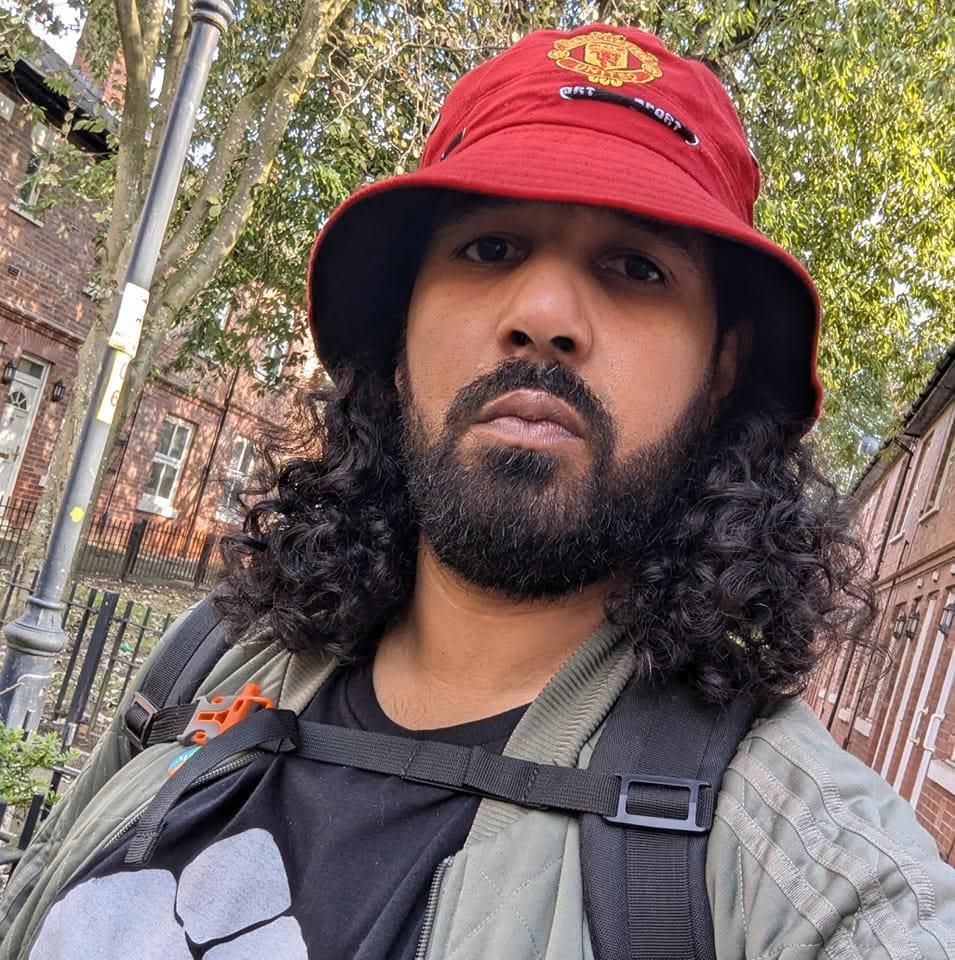
Yesterday, I wrote a piece that came straight from the heart. It was about growing up in Moss Side with Maine Road right in my back garden, watching Manchester City relocate to East Manchester, and waking up to the fallout of a £900 million financial ruling that shook English football to its core. As a Manchester United supporter who literally grew up on City's old turf, that story was personal.
But if you zoom out past the £900 million scandal and the court cases, a much bigger picture emerges. The transformation of East Manchester wasn't an isolated event. It was just the opening move in a massive global takeover.
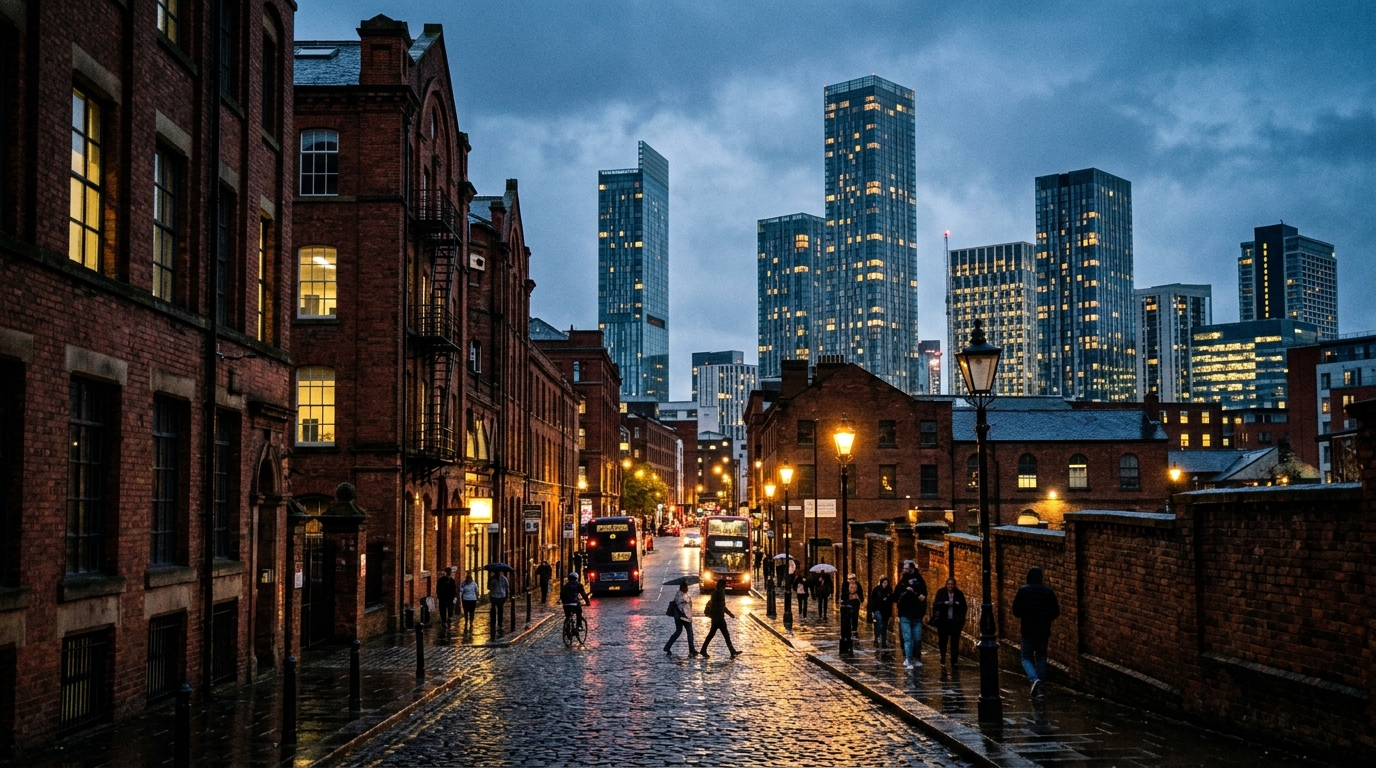
Over the last two decades, Greater Manchester has established itself as the undisputed economic powerhouse of the North. While Birmingham still holds a larger municipal population within its official city boundaries, Manchester has taken over as England's true "Second City" in practice — driven by a £75 billion economy, high-value tech, media hubs like MediaCityUK, and an unstoppable wave of foreign direct investment.
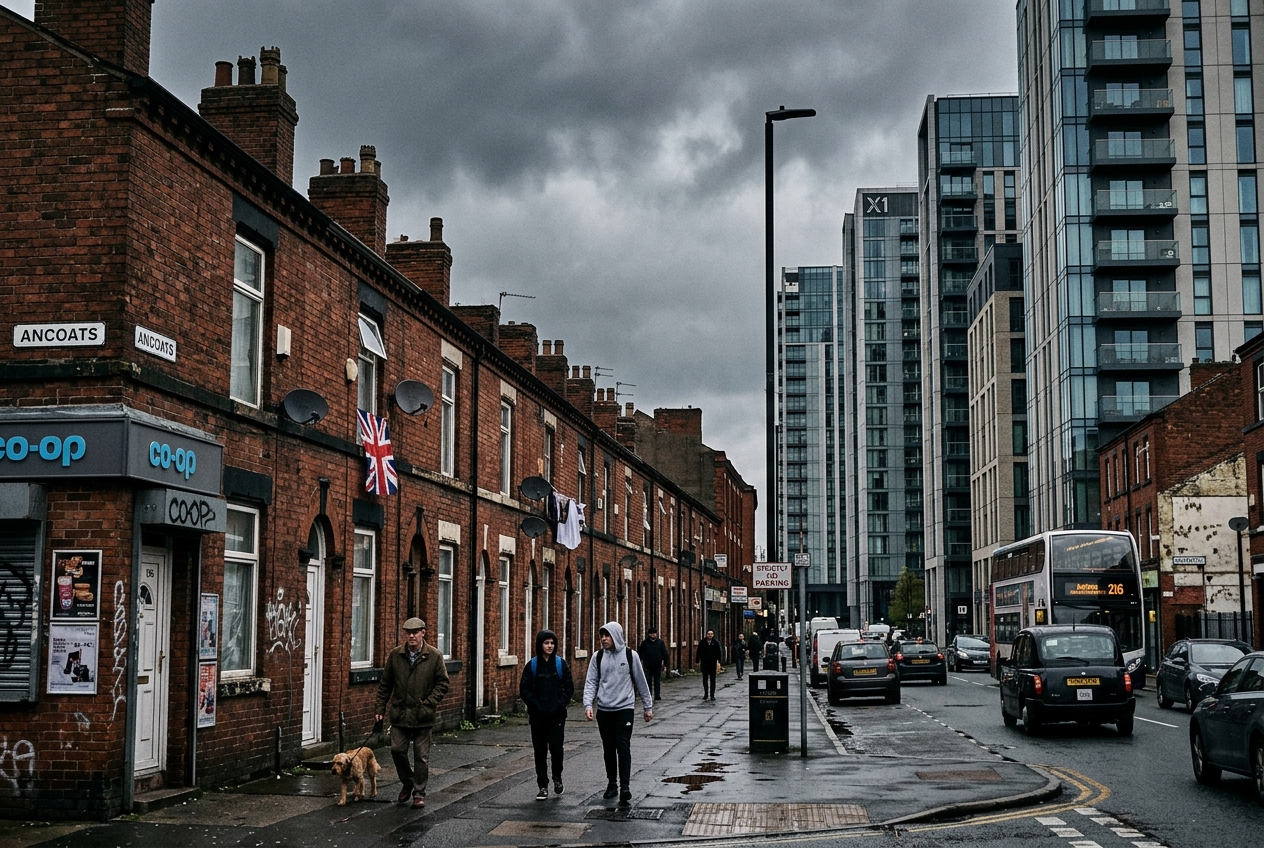
However, Abu Dhabi's sports and real estate footprint is only one piece of the puzzle. Look closely at the skyline and you'll see capital from every corner of the globe:
- The United States: American institutional capital and tech giants have made Manchester their primary UK foothold outside London, funding commercial hubs and build-to-rent towers.
- China & Hong Kong: State-backed construction giants partnered on multi-billion-pound infrastructure like Airport City, whilst Hong Kong capital funds the high-rise residential boom across Castlefield and the city centre.
- Japan: Japanese engineering and tech firms are heavily invested in the city-region's green energy grid, smart transport, and advanced materials research.
- Germany & France: European multinationals run our public transport systems, regional logistics, and industrial infrastructure.
This international mix proves that Manchester is no longer a post-industrial northern town relying on central government handouts. It has become a global capital destination.
Yet, that success brings a deep Mancunian dilemma.
When a city becomes a playground for global capital, who actually owns its soul? When high-end developments swallow up historic streetscapes, and local football clubs become sovereign wealth vehicles, the people who built the culture risk getting priced out of their own back garden.
Manchester earned its status as the Second City through grit, culture, and global ambition. But as the skyline grows higher and the global billions roll in, we have to ask the most important question of all: The Second City belongs to the world. But does it still belong to Mancunians?
Stay tuned for our upcoming feature — a full photoshoot and cosplay editorial featuring Blu and Tegan as Panty & Stocking.
Comments (0)
Sign in to join the conversation.
No comments yet. Be the first to share your thoughts.
Related Articles
More by Robert Chowdhry-John (Preachaman)
View all →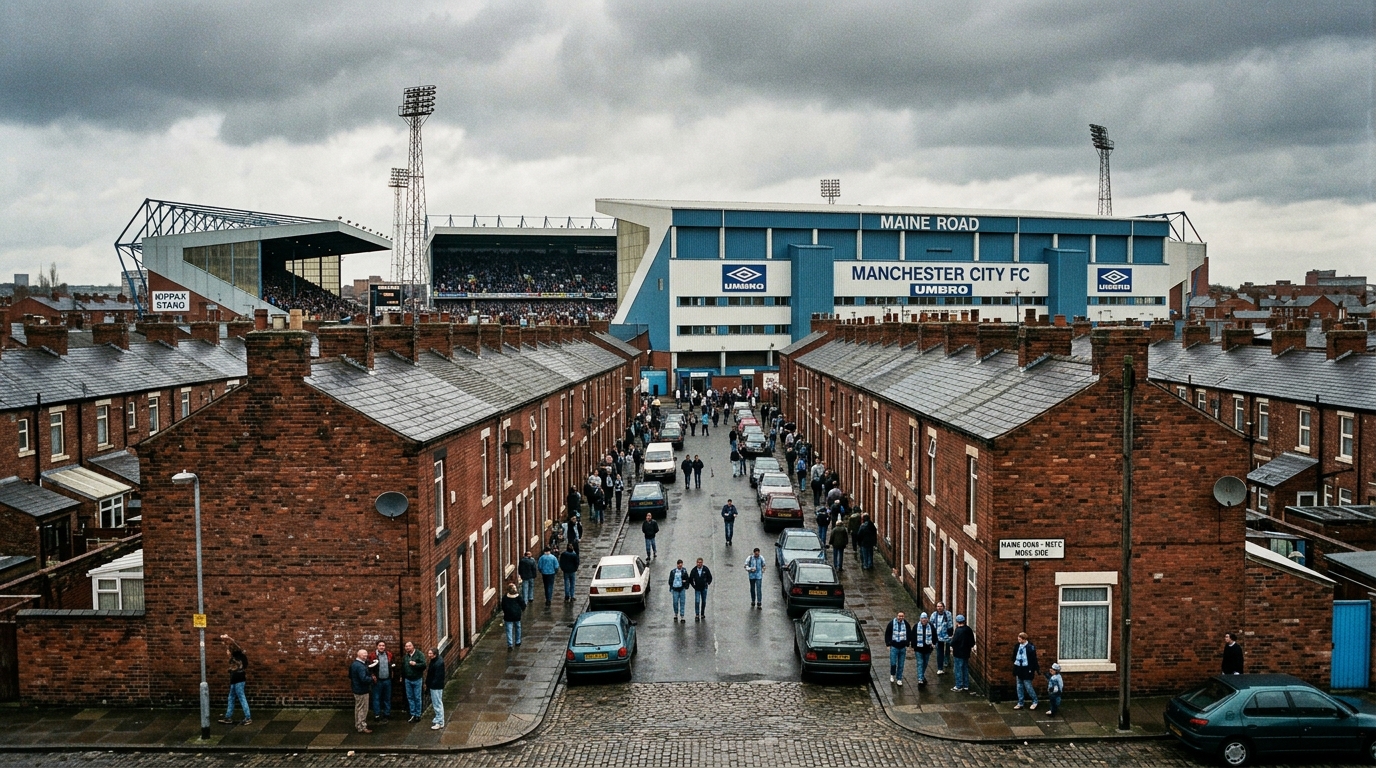
From Maine Road to the 115: A Red's View on the Soul of Manchester Football
Growing up with Maine Road as my back garden, I learned early on that Manchester football isn't just a weekend pastime — it's the city's beating creative heart. A personal reflection on the Red-vs-Blue divide, filmmaking at the Etihad, and the sting of the 115.
Oct 01, 2026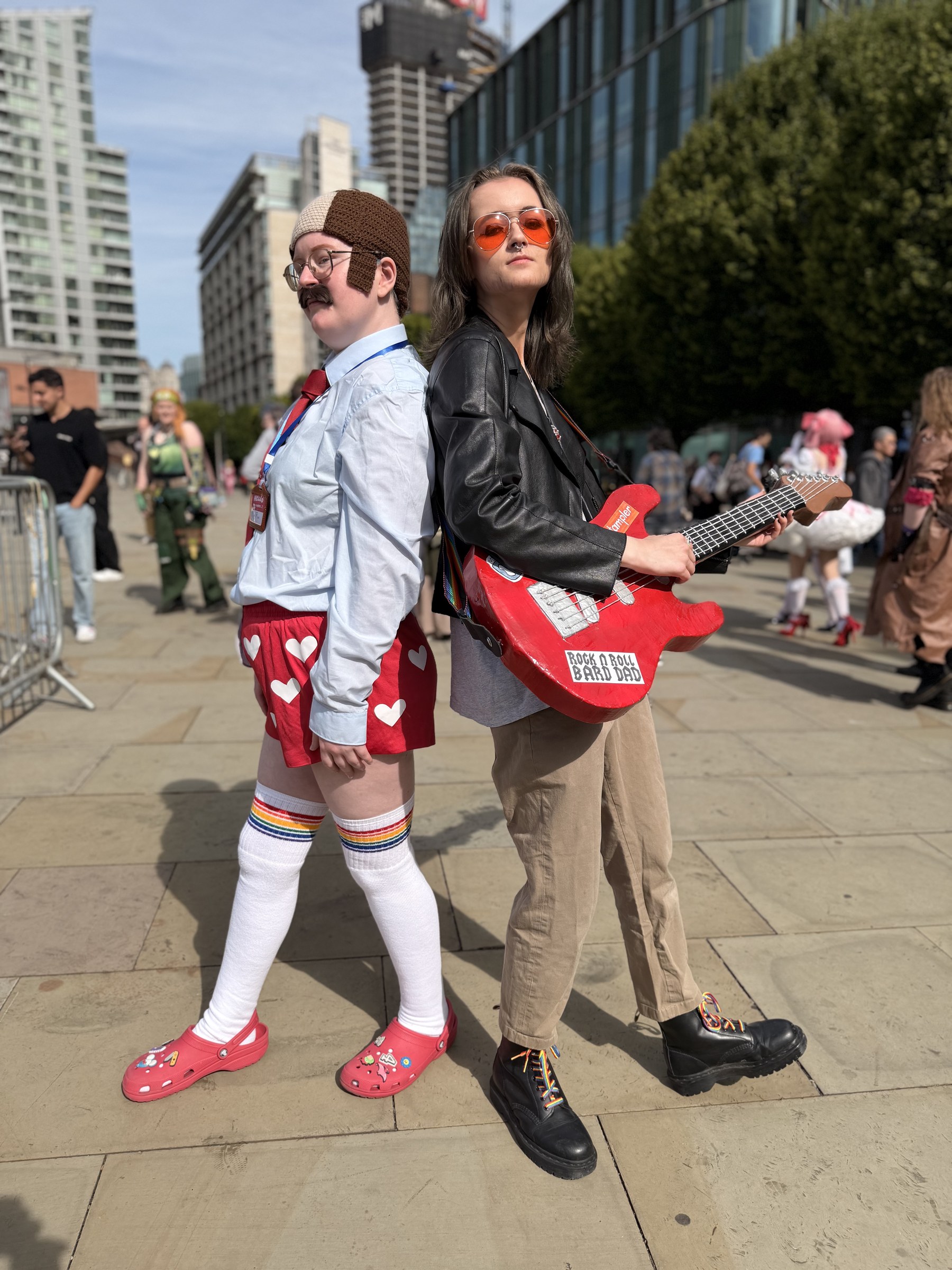
MegaCon Live Manchester 2026: Cosplay Showcase & Highlight Reel
Manchester Central was taken over by incredible costumes, iconic creators, and pure energy for MegaCon Live 2026 — we spent the weekend capturing the standout looks and cinematic poses.
Aug 04, 2026
Artist Spotlight: Nadia Elric — The Multi-Dimensional Creator Redefining the Lens
Meet Nadia Elric — self-taught digital artist and hand-crafted cosplay maker who went viral as the real-life face of GTA VI's Lucia. The architect behind the lens, not just the subject in front of it.
Jul 16, 2026